How to Learn & Practice Stories & Values Together איך לומדים ומתרגלים יחד: סיפורים וערכים
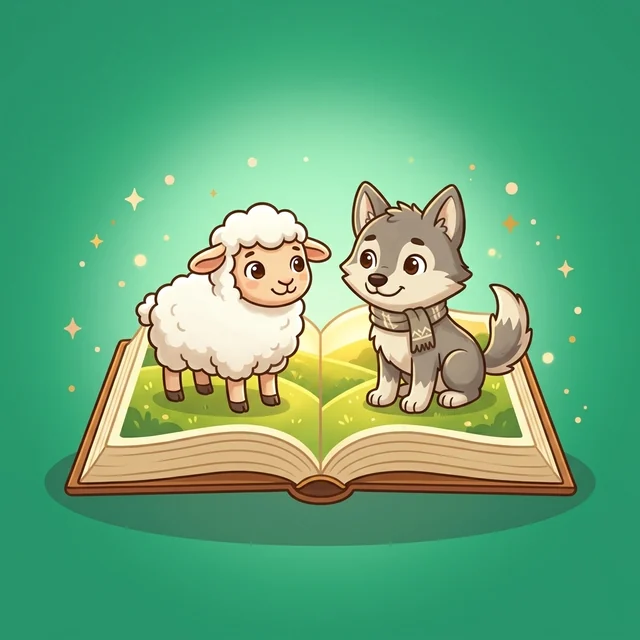
Stories are how human beings have always taught their most important lessons, and this unit carries on that tradition. In the retelling of The Boy Who Cried Wolf, learners follow Roy and Maxi through a tale about truth, trust, and the consequences of a small lie. Along the way they meet words like truth, trust, wolf, sheep, friend, and honest, in both Hebrew and English. Because the words are wrapped in a story, they are not just memorized - they are felt. A fable gives a word a home, a character, and a reason to be remembered.
The real magic of this topic happens after the video ends, in conversation. Ask open questions and let the answers come slowly: why did the villagers stop believing the boy? What does it feel like to be trusted? Has anyone ever told you a story that was not true? There are no wrong answers here, only a warm exchange that helps a child put words to big ideas. For adult learners, discussing a familiar story in a new language is a wonderful confidence-builder, because the plot is already known and only the words are new.
The printable activity pack extends the conversation into play. Retell the story together, act out the roles of the boy, the wolf, and the villagers, and practice the key words as you go. You can also invent a happier ending, or tell your own short story about a time someone told the truth and it made things better. Playful retelling does something remarkable: it lets a child try on ideas like honesty and responsibility in a safe, imaginary space before they are needed in real life.
For bilingual families, this unit opens the door to discussing values in both languages, which deepens the lesson twice over. For adult beginners, the clear, well-paced narration is easy to follow and easy to revisit. Most of all, the story reminds every family of something timeless: trust is built slowly and lost quickly, and the truth is always the bravest thing to tell. That is a lesson worth hearing in any language. Telling the truth, even when it is hard, is a lesson that grows stronger every time it is practiced out loud.
סיפורים הם הדרך שבה בני אדם לימדו תמיד את הלקחים החשובים ביותר שלהם, והיחידה הזו ממשיכה את המסורת. בגרסה המחודשת של זאב זאב עוקבים הלומדים אחרי רוי ומקסי דרך סיפור על אמת, אמון והתוצאות של שקר קטן. בדרך הם פוגשים מילים כמו אמת, אמון, זאב, כבשה, חבר וישר, בעברית ובאנגלית. מכיוון שהמילים עטופות בסיפור, הן לא רק משוננות - הן מורגשות. מעשייה מעניקה למילה בית, דמות וסיבה לזכור אותה.
הקסם האמיתי של הנושא הזה קורה אחרי שהסרטון נגמר, בשיחה. שאלו שאלות פתוחות ותנו לתשובות לבוא לאט: למה תושבי הכפר הפסיקו להאמין לילד? איך מרגיש להיות מי שסומכים עליו? האם מישהו סיפר לכם פעם סיפור שלא היה אמיתי? אין כאן תשובות שגויות, רק חילופין חמים שעוזרים לילד להלביש מילים על רעיונות גדולים. ללומדים מבוגרים, שיחה על סיפור מוכר בשפה חדשה היא בונה ביטחון נפלאה, כי העלילה כבר ידועה ורק המילים חדשות.
ערכת הפעילות להדפסה מרחיבה את השיחה אל המשחק. ספרו את הסיפור מחדש יחד, שחקו את תפקידי הילד, הזאב ותושבי הכפר, ותרגלו את מילות המפתח תוך כדי. אפשר גם להמציא סוף שמח יותר, או לספר סיפור קצר משלכם על פעם שמישהו אמר אמת וזה שיפר את המצב. הסיפור החוזר והמשחקי עושה משהו מופלא: הוא מאפשר לילד לנסות רעיונות כמו יושר ואחריות במרחב דמיוני ובטוח לפני שהם נחוצים בחיים האמיתיים.
כדאי להרחיב את השיחה גם אל דוגמאות מהיום-יום: ספרו יחד על פעם שאמרתם אמת גם כשהיה קשה, או על רגע שבו מישהו סמך עליכם, ותנו לילד לשתף דוגמה משלו בשתי השפות. אפשר גם להמציא יחד סיפור קצר שבו הדמות בוחרת לומר אמת ולראות איך זה משנה את הסוף. כך הערכים אינם נשארים רק בסיפור, אלא הופכים לחלק מהשפה ומהחיים של הילד. אפשר גם להכין רשימה משפחתית של ערכים אהובים ולתלות אותה במקום גלוי. לאט לאט, הילד לומד שמילים כמו אמת, אמון וחברות אינן רק מילים באוצר - הן דברים שבוחרים בהם בכל יום.
למשפחות דו-לשוניות היחידה הזו פותחת דלת לשיחה על ערכים בשתי השפות, מה שמעמיק את הלקח פעמיים. למבוגרים מתחילים, הקריינות הבהירה והקצובה קלה למעקב וקלה לחזור אליה. יותר מהכול, הסיפור מזכיר לכל משפחה משהו נצחי: אמון נבנה לאט ונשבר מהר, והאמת היא תמיד הדבר האמיץ ביותר לומר. זהו לקח שכדאי לשמוע בכל שפה.