How to Learn & Practice Animals & Sounds Together איך לומדים ומתרגלים יחד: חיות וצלילים בעברית ואנגלית
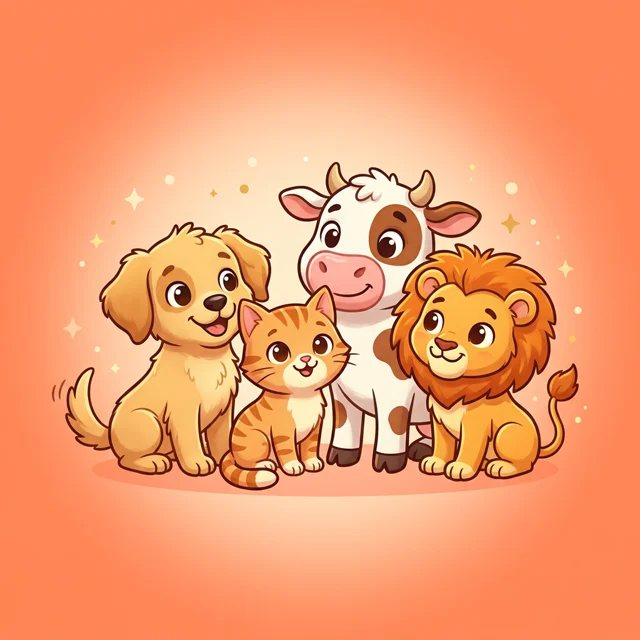
Animal sounds are one of the first and most joyful doors into a new language. In this Animals and Sounds unit, learners meet familiar creatures - dogs, cats, cows, lions, ducks, horses, and birds - and connect each one with its Hebrew name, its English name, and the sound it makes. Because the animal itself is so concrete and lovable, children and adult beginners alike remember the words almost without trying. The steady repetition across the episodes and the short vertical clips builds reliable recognition, so a word heard today becomes a word recognized tomorrow.
The magic of this topic is that you do not need to teach it formally. Simply watch an episode together, then point to the screen and ask in whichever language feels natural: what does the dog say, and what do we call it in Hebrew, and in English? Let your child answer in the language they feel most comfortable with, and echo the answer back in the other language with a warm smile. This back-and-forth turns passive viewing into a gentle conversation, and it works just as well for an adult learning Hebrew for the first time as it does for a toddler hearing new sounds.
Off-screen, the downloadable cut-out flashcards are where the learning truly sticks. Print them together, cut them out side by side, and spread them on the table or the floor. Play simple games: hold up a card and make the matching sound, hide one card behind your back and let your child guess which animal is missing, or match each animal card to the sound you make. Even five minutes a day of this hands-on play strengthens the connection between the written word, the spoken word, and the real animal far better than any amount of screen time alone.
For bilingual families, this unit is a lovely way to give both languages equal time and affection. For adult beginners, the slow, clear pairing of picture, word, and sound offers exactly the calm, unhurried repetition that makes vocabulary feel natural rather than memorized. Whatever your starting point, the goal is the same: share a few minutes of wonder, hear some wonderful noises, and walk away with a handful of new words you can use together at the zoo, on a walk, or in the pages of a bedtime book.
קולות של חיות הם אחת הדלתות הראשונות והשמחות ביותר לשפה חדשה. ביחידת הלימוד חיות וצלילים פוגשים הלומדים חיות מוכרות - כלבים, חתולים, פרות, אריות, ברווזים, סוסים וציפורים - ומחברים כל אחת לשמה בעברית, לשמה באנגלית ולצליל שהיא משמיעה. מכיוון שהחיה עצמה מוחשית ואהובה כל כך, ילדים ומבוגרים מתחילים זוכרים את המילים כמעט בלי להתאמץ. החזרה היציבה לאורך הפרקים והסרטונים הקצרים בונה זיהוי אמין, כך שמילה שנשמעת היום הופכת למילה שמזהים מחר.
היופי בנושא הזה הוא שאין צורך ללמד אותו באופן רשמי. פשוט צפו יחד בפרק, ואז הצביעו על המסך ושאלו בשפה שמרגישה טבעית: מה הכלב אומר, ואיך קוראים לו בעברית, ואיך באנגלית? תנו לילד לענות בשפה שבה נוח לו ביותר, והדהדו את התשובה בחזרה בשפה השנייה עם חיוך חם. ההלוך והחזור הזה הופך צפייה פסיבית לשיחה עדינה, והוא עובד באותה מידה גם למבוגר שלומד עברית בפעם הראשונה וגם לפעוט השומע צלילים חדשים.
מחוץ למסך, כרטיסיות החיתוך להורדה הן המקום שבו הלמידה באמת נטמעת. הדפיסו אותן יחד, גזרו זו לצד זו ופרסו על השולחן או על הרצפה. שחקו משחקים פשוטים: הרימו כרטיס והשמיעו את הצליל המתאים, החביאו כרטיס אחד מאחורי הגב ותנו לילד לנחש איזו חיה חסרה, או התאימו כל כרטיס חיה לצליל שאתם משמיעים. אפילו חמש דקות ביום של משחק בידיים מחזקות את הקשר בין המילה הכתובה, המילה המדוברת והחיה האמיתית - הרבה יותר מכל זמן מסך לבדו.
לילדים גדולים יותר ולבני נוער אפשר להפוך את הנושא לאתגר עשיר יותר: בקשו מהם להמציא משפט קצר עם כל חיה, למשל הכלב נובח או החתול ישן, ולומר אותו בשתי השפות. אפשר גם למיין את החיות לקבוצות - חיות בית, חיות בר וחיות משק - ולתת לכל קבוצה שם בעברית ובאנגלית. שיחה על האופן שבו קוראים לקול של כל חיה בשפה אחרת, כמו נביחה, פעייה או שאגה, מעשירה את הלקסיקון ומחברת בין שמיעה, דיבור והבנה. כך, מה שמתחיל כפרק צפייה קצר הופך לשיחה משפחתית שנמשכת הרבה אחרי שהמסך נכבה.
למשפחות דו-לשוניות היחידה הזו היא דרך נפלאה להעניק לשתי השפות זמן ואהבה במידה שווה. למבוגרים מתחילים, הצימוד האיטי והבהיר של תמונה, מילה וצליל מציע בדיוק את החזרה הרגועה והלא ממהרת שהופכת אוצר מילים לטבעי במקום לבעל פה. תהיה נקודת המוצא שלכם אשר תהיה, המטרה זהה: לחלוק כמה דקות של פליאה, לשמוע צלילים נפלאים ולצאת עם חופן מילים חדשות שאפשר להשתמש בהן יחד בגן החיות, בטיול או בדפי ספר לפני השינה.