
How to Learn & Practice Smiling Vegetables Together איך לומדים ומתרגלים יחד: לומדים עברית ואנגלית עם ירקות מחייכים
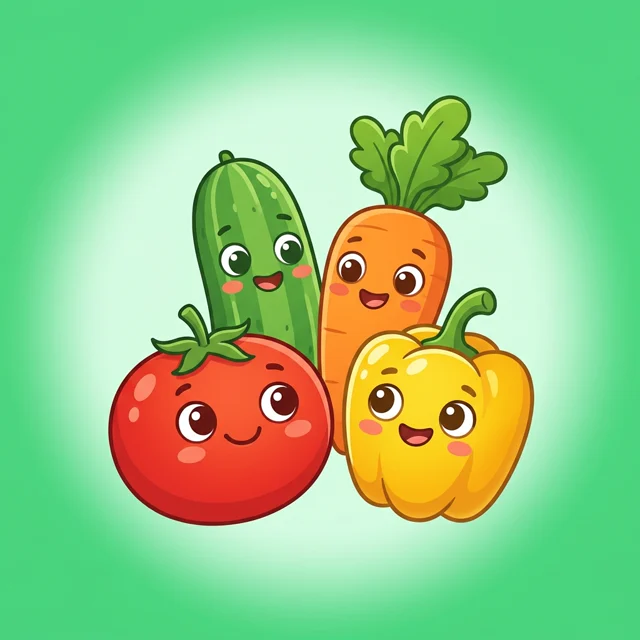
Vegetables become cheerful characters in this gentle unit, and that small act of imagination makes healthy foods feel friendly instead of unfamiliar. Through the Smiling Vegetables video and the sorting game, learners meet a tomato, a cucumber, a carrot, a pepper, an onion, a potato, and corn, each with its Hebrew and English name and a bright, colorful face. Because the vegetables smile and play, children are far more willing to repeat their names, and adult beginners get a calm, clear way to build everyday food vocabulary that they can use the very same day in the kitchen.
The kitchen is the perfect classroom for this topic. While you prepare a meal, invite your learner to help name each vegetable as it comes out of the bag. Ask for the word in Hebrew, then in English, and celebrate every correct answer with a small cheer. You can also play a color game: find all the red vegetables, all the green ones, and all the orange ones, naming the colors in both languages as you go. This turns an ordinary chore into a shared language lesson, and it gives children a positive, curious feeling about the foods on their own plate.
The printable flashcards extend the same learning to the table or the floor. Spread the cards out and play matching games, or turn them face down for a simple memory game where every pair must be named out loud. You can even take the cards to the market or the grocery store and turn shopping into a treasure hunt: find the tomato, find the carrot, find the cucumber. When a word is connected to a real object a child can hold, smell, and taste, it becomes part of their world for good.
For bilingual families, this unit is a natural way to bring both languages into the daily rhythm of cooking and eating together. For adult beginners, the slow, cheerful repetition builds exactly the practical vocabulary needed for real life in a Hebrew- or English-speaking kitchen. Most of all, it reminds everyone that learning can happen anywhere, even over a bowl of smiling vegetables at the dinner table. It is also a quiet reminder that healthy food can be joyful food.
ירקות הופכים לדמויות שמחות ביחידה העדינה הזו, והדמיון הקטן הזה הופך מאכלים בריאים לידידותיים במקום לזרים. דרך הסרטון ירקות מחייכים ומשחק המיון פוגשים הלומדים עגבנייה, מלפפון, גזר, פלפל, בצל, תפוח אדמה ותירס, כל אחד עם שמו בעברית ובאנגלית ופנים צבעוניות ומאירות. מכיוון שהירקות מחייכים ומשחקים, ילדים מוכנים הרבה יותר לחזור על שמותיהם, ומבוגרים מתחילים מקבלים דרך רגועה ובהירה לבנות אוצר מילים יומיומי על אוכל שאפשר להשתמש בו עוד באותו היום במטבח.
המטבח הוא הכיתה המושלמת לנושא הזה. בזמן שאתם מכינים ארוחה, הזמינו את הלומד לעזור לקרוא בשם לכל ירק שיוצא מהשקית. בקשו את המילה בעברית, אחר כך באנגלית, וחגגו כל תשובה נכונה במחווה קטנה של שמחה. אפשר גם לשחק במשחק צבעים: מצאו את כל הירקות האדומים, את כל הירוקים ואת כל הכתומים, ותנו שמות לצבעים בשתי השפות תוך כדי. כך הופכת מטלה רגילה לשיעור שפה משותף, והילדים מקבלים תחושה חיובית וסקרנית כלפי המאכלים שבצלחת שלהם עצמם.
כרטיסיות ההדפסה מרחיבות את אותה למידה אל השולחן או הרצפה. פרסו את הכרטיסים ושחקו במשחקי התאמה, או הפכו אותם עם הפנים למטה למשחק זיכרון פשוט שבו כל זוג חייב להיקרא בקול. אפשר אפילו לקחת את הכרטיסים לשוק או לחנות הירקות ולהפוך את הקניות למשחק אוצר: מצאו את העגבנייה, מצאו את הגזר, מצאו את המלפפון. כשמילה מתחברת לחפץ אמיתי שאפשר להחזיק, להריח ולטעום, היא הופכת לחלק מעולמו של הילד לתמיד.
אפשר גם להכניס את הירקות עצמם אל השולחן כמשחק של ממש: ערכו טעימה קטנה, וכל אחד מנחש בעיניים עצומות מה הוא טועם וקורא לירק בשתי השפות. הכינו יחד סלט וצלחו את השלבים בקול - שוטפים את העגבנייה, חותכים את המלפפון, מגרדים את הגזר - והפכו את ההכנה לשיעור שפה חי. כך הילד לא רק לומד את שמות הירקות, אלא גם בונה חיבור חיובי לאוכל בריא ולמטבח. אפשר גם לגדל יחד עשבים או ירק קטן במרפסת ולעקוב אחרי הצמיחה, מה שמחבר את המילים לטבע ולסבלנות. הרגעים הקטנים האלה הופכים ארוחה רגילה לזמן משפחתי של למידה, טעם והנאה משותפת.
למשפחות דו-לשוניות היחידה הזו היא דרך טבעית להכניס את שתי השפות לקצב היומיומי של בישול ואכילה יחד. ללומדים מבוגרים, החזרה האיטית והשמחה בונה בדיוק את אוצר המילים המעשי שנדרש לחיים אמיתיים במטבח דובר עברית או אנגלית. יותר מהכול, היא מזכירה לכולם שלמידה יכולה לקרות בכל מקום, אפילו מעל קערת ירקות מחייכים בשולחן האוכל.